Back to featured workPre-release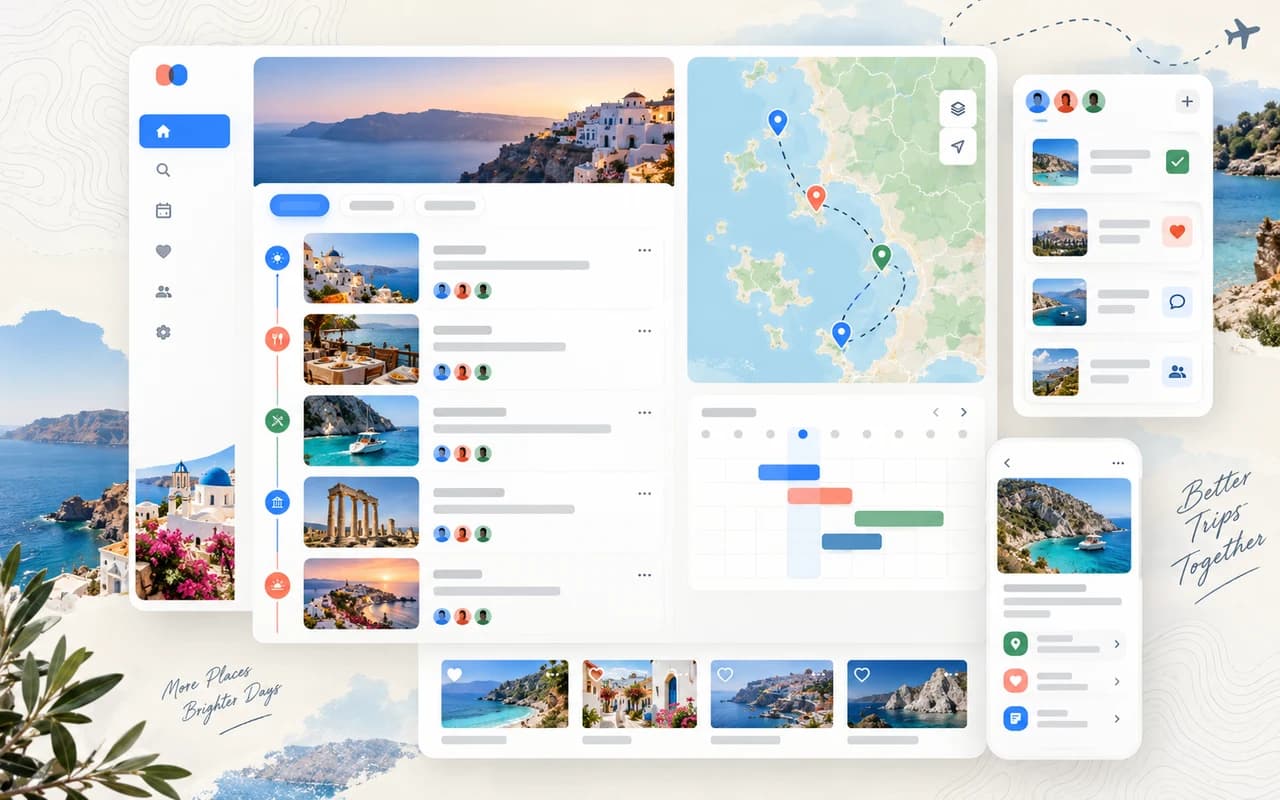
Case study
TripSync
An AI itinerary planner grounded in real places, route context and traveller preferences.
The problem
What the work needed to solve
Turn a broad travel request into a practical day-by-day plan while keeping recommendations connected to real map places and useful trip constraints.
Implementation
What I built or changed
- Connected itinerary planning to Google Maps place data rather than presenting ungrounded destination lists.
- Designed editable day-by-day plans with share, settings and pricing flows.
- Used Supabase for product data and Paddle-ready commercial boundaries.
- Added clear metadata, legal routes and consent handling for a launch-ready web surface.
Stack
Tools used in context
Evidence
Status before claims.
This project is documented from its local implementation. No traffic, revenue or production-impact metric is presented before it can be verified.
Limitations
What this evidence does not prove
- The local product is still in release preparation; itinerary quality and commercial conversion are not presented as proven outcomes.
Next work
What comes after this snapshot
- Complete live API and billing validation.
- Run trip-quality and mobile usability testing across representative destinations.